Fieldwork, but different
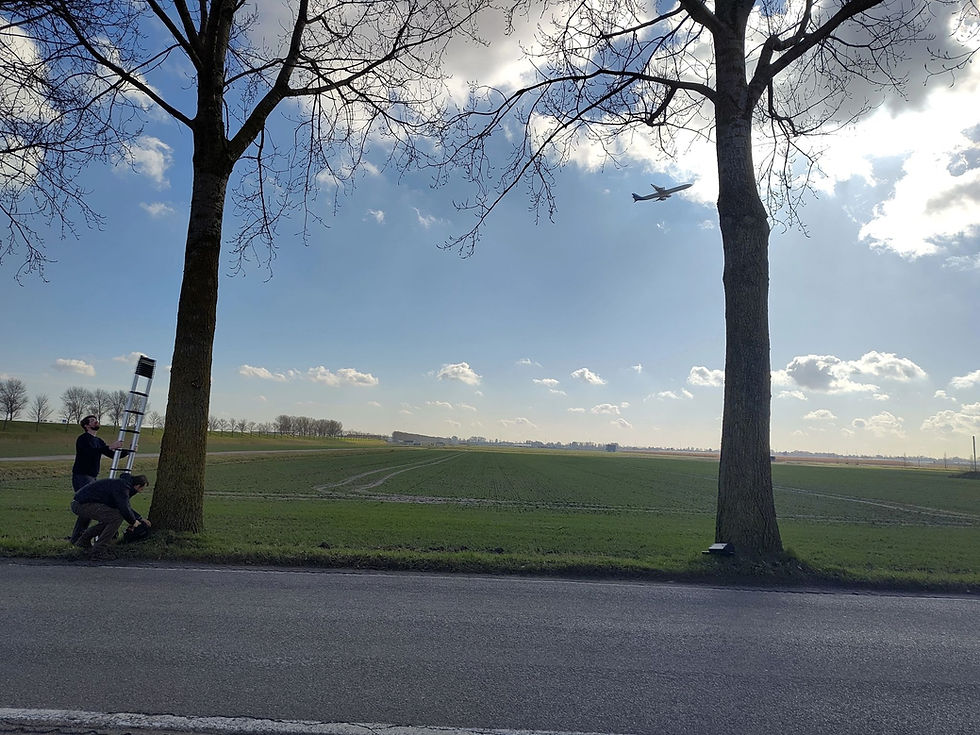
Fieldwork remains essential for understanding biodiversity, but the way it's conducted is changing. Ecomoni adds a layer of continuous observation to traditional fieldwork. Sensors collect data in the field over a long period of time, meaning observations are no longer dependent on isolated visits or moments. This creates a more complete and consistent picture of what's happening in an area.
The challenge of the field
Biodiversity can't be captured in a single measurement. Activity varies by time of day, season, and year. At the same time, fieldwork is labor-intensive and difficult to scale. As a result, trends, shifts, and rare events often remain invisible. Structural monitoring requires a different approach than occasional counts.
Energy and data
Ecomoni designs systems that can operate in the field for extended periods with minimal disruption. Energy consumption, storage, and data transmission are tailored to the environment and the measurement needs. Data is reliably recorded and securely accessed, ensuring that observations remain comparable over time and are usable for analysis and reporting.

Sensors and algorithms
Depending on the landscape and purpose, Ecomoni deploys various sensors, such as audio, presence, image, and environmental measurements. Algorithms translate these raw signals into recognizable patterns and species, allowing for ecological interpretation and validation. In this way, technology supports fieldwork, rather than replacing it.


